
Multi-Sports Construction: Transforming Ordinary Spaces into World-Class Sports Arenas
Designing and constructing first-rate sports facilities that realise ambitions is our mission at Athletic Sports Construction. With the help of more than 10,000 talented workers and professional personnel, our company’s leader, Mr.Vansh Bahuguna, is an accomplished civil engineer and sports infrastructure specialist who has completed over 200 successful projects throughout India. Our area of expertise is building both indoor and outdoor sports facilities, including basketball arenas, lawn tennis courts, swimming pools, badminton courts and entire sports academies. We have established ourselves as a trusted advisor for educational institutions, private clubs, government agencies, and real estate developers that want to create the greatest sports facilities over the years.
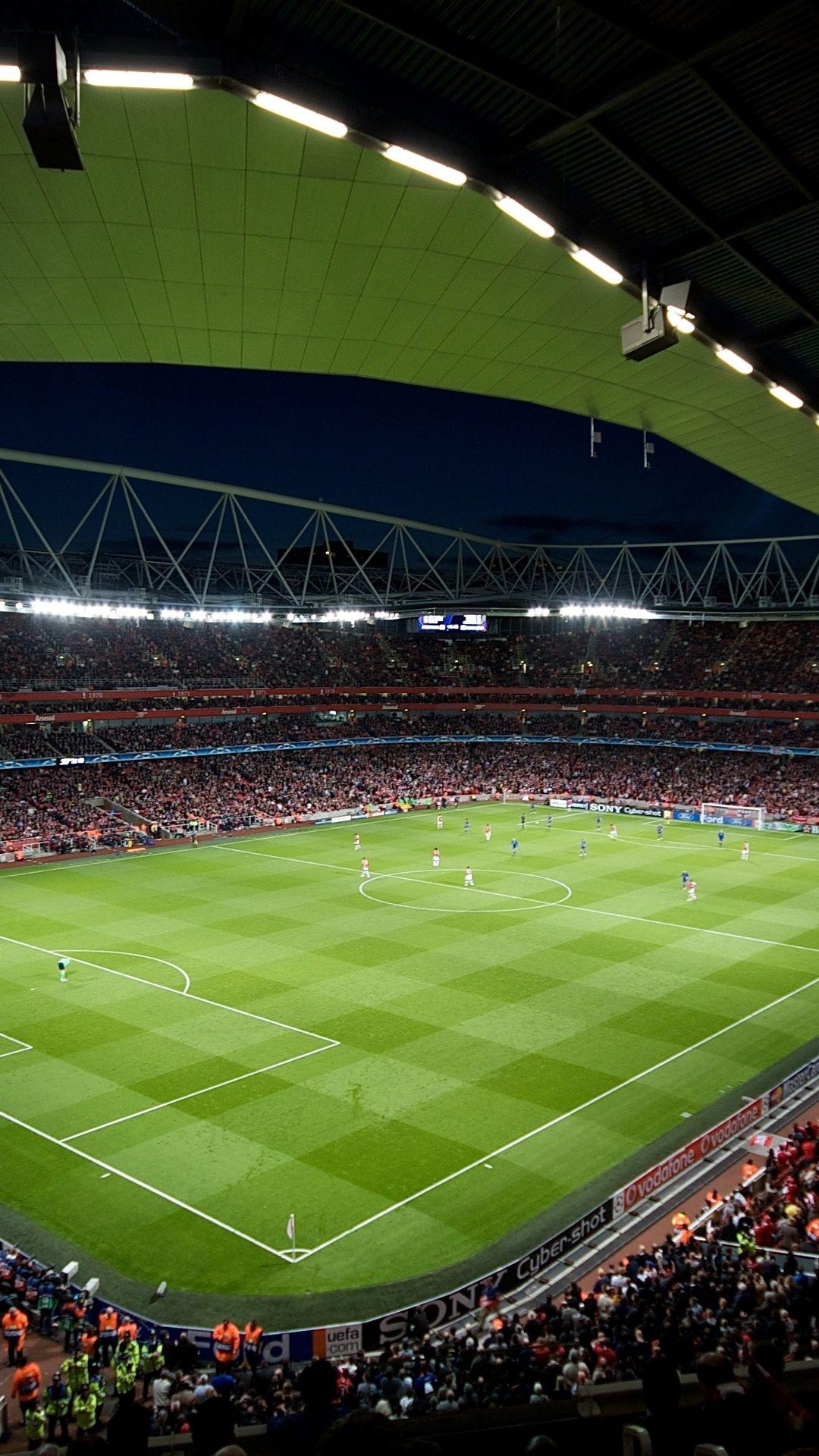
Football Cort
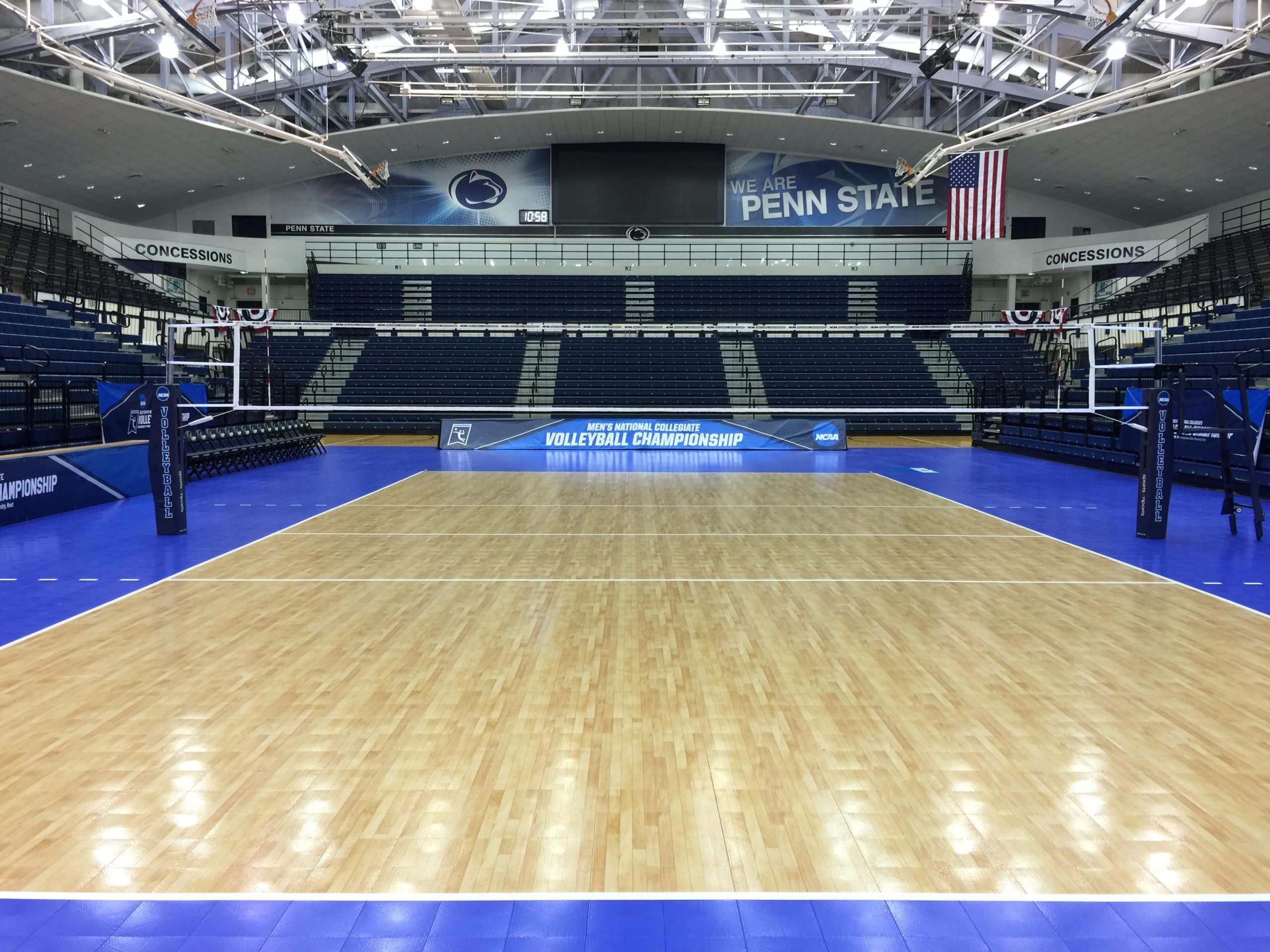
Volleyball
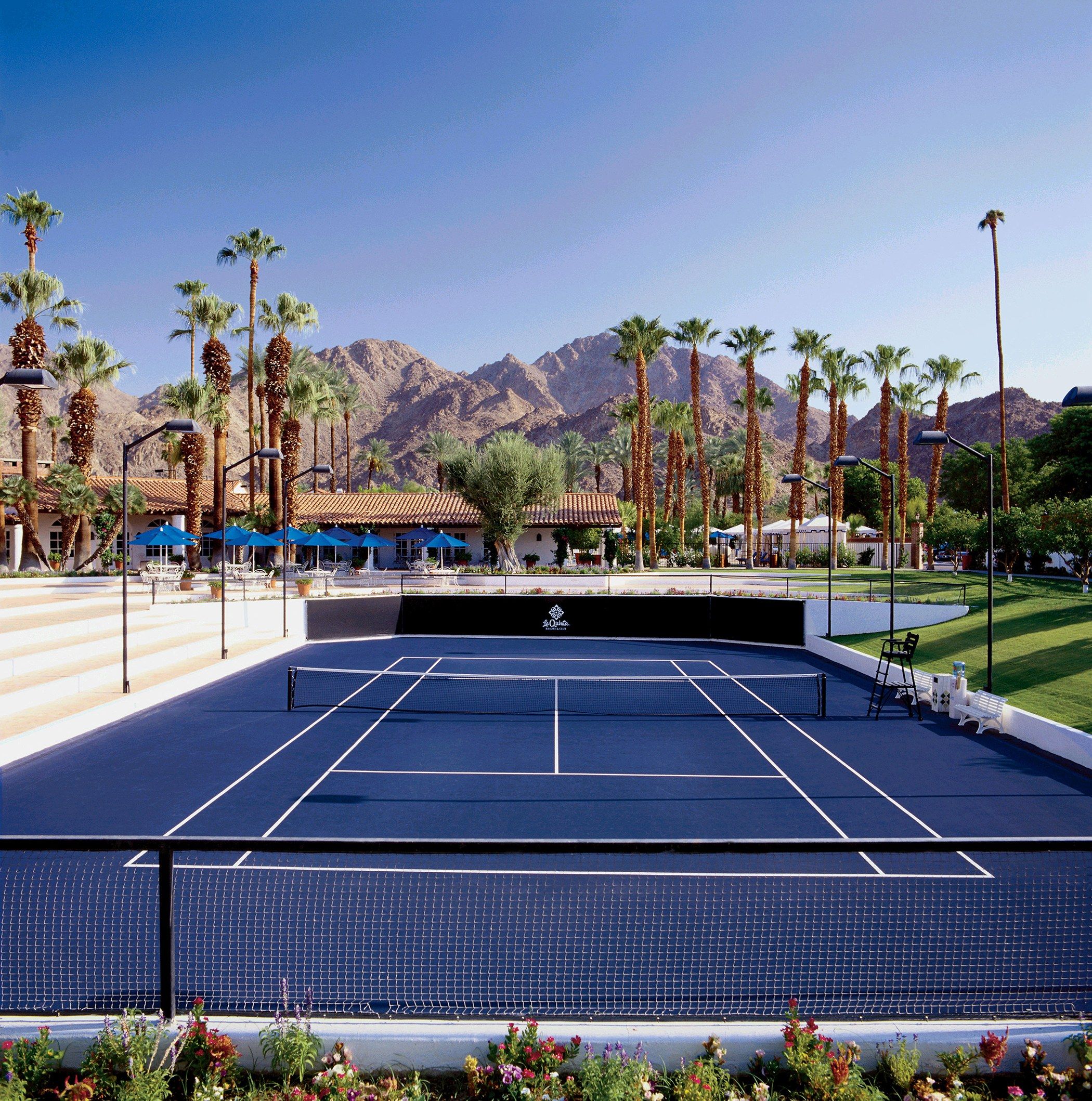
Tennis Cout
Over the course of our more than 15-year career in the sports infrastructure industry, we have established a solid reputation for accuracy, excellent construction, and on-time delivery. We carry out every project with remarkable professionalism under the direction of Mr. Vansh Bahuguna, who has extensive expertise in structural safety, construction planning, and material quality. Sports facilities, in our opinion, are more than just buildings; they are places where athletes practise, compete, and realise their goals. For this reason, we give careful planning, sturdy construction, and adherence to international standards top priority in each project.
Our most Notable Projects
- The National Sports Academy in Delhi has finished building indoor basketball and badminton courts with artificial flooring and contemporary lighting.
- The Ocean View Resort in Goa features a tennis and volleyball court as well as a luxurious outdoor pool.
- A grass tennis court, a miniature football pitch and a swimming pool are all part of the comprehensive sports facilities of Bangalore’s Green Valley International School.
- The Riverside Sports Club in Pune is building a cutting-edge indoor sports stadium complete with locker rooms, seating for spectators and administrative amenities.
The core of everything we do at Elite Sports Construction is quality. Our building procedure adheres closely to industry norms and technical principles because our firm is managed by a civil engineer. Our primary goals are to ensure structural safety, use only certified high-quality materials, and develop thorough plans for on-time delivery. To ensure transparency, we give our clients frequent billing and progress reports. Our team of more than 10,000 technical staff members and professional workers guarantees that projects are finished quickly and with perfect craftsmanship. We also constantly take into account environmental aspects including sustainable building methods, energy-efficient lighting, and appropriate drainage systems. To guarantee the facilities’ lifespan, we give our clients maintenance guidance once every project is finished.
Because of our everlasting commitment, openness, and superior quality, clients pick Elite Sports Construction. To produce remarkable outcomes, we combine extensive labour management with technical civil engineering skills. We can handle both small-scale and large-scale sports construction projects with ease thanks to our more than 10,000 skilled employees and more than 200 completed projects. Our facilities are constructed to survive for decades and satisfy international standards because we offer end-to-end solutions, from design and planning to execution and handover.
Cricket Project
Cricket Stadium: The borders must be as large as possible, although a cricket ground's general shape is an oval or rounded rectangle with no set measurements. The distance between the boundary and the centre of the pitch for international matches should not exceed 90 yards (82 meters) or be less than 65 yards (59 meters). To guarantee a constant bounce, the pitch itself—the 22-yard-long strip in the center—needs to be specially prepared using particular loam soil and compaction methods.
Football Court Project
Football Stadium: The exact measurements for an international football pitch that has been certified by FIFA are 105 meters long and 68 meters wide. The centre circle and penalty spot are examples of field markings that must follow exact specifications and have a maximum width of 12 cm. One of the most important decisions is whether to use artificial turf or real grass. Artificial turf is more durable and requires less upkeep, enabling year-round usage, even if natural grass offers the classic feel. To avoid waterlogging, adequate drainage is very essential.
What Do We Provide
We provide a wide range of services, such as building wooden or synthetic badminton courts, building Olympic-sized and enjoyable swimming pools with cutting-edge filtration and non-slip surfaces, designing clay, grass or synthetic lawn tennis courts that meet ITF rules and regulations, and building multipurpose indoor basketball, volleyball and futsal halls. We are also skilled in building full sports academies, which include administrative buildings, locker rooms and the seats for spectators. Every project is carried out with the maximum technical accuracy, guaranteeing that the facilities are secure, long-lasting, and prepared to support both professional and personal activities.
Our Goal
Our goal is to provide sporting facilities that unite communities and motivate athletes. We guarantee that every project serves as an example to trustworthiness, excellence, and long-lasting performance by fusing civil engineering perfection, premium materials, and knowledgeable labour. Elite Sports Construction is your one-stop shop for developing sports facilities, whether you need a badminton court, swimming pool, grass tennis court, or an entire sports school. We think that the areas we design serve as the groundwork for future champions and are more than just buildings.
In addition to providing top-notch sports facilities, Elite Sports Construction takes pride in paying close attention to every little detail during the building process. Strong civil engineering, careful architectural design, and superior finishing are all necessary for a successful sports academy, and we guarantee perfection in each of these domains. Every project we work on is supported by thorough architectural plans, precise material selection, and cutting-edge building techniques that match to global standards. Our goal is to give professional athletes and recreational users with safe, long-lasting, and visually beautiful sports facilities. Our layout planning and architectural work are two of our primary benefits. A clear and practical layout that permits appropriate space, mobility, and usage for a variety of sports activities is the first step in creating a well-designed sports facility. Before construction even starts, our team of skilled civil engineers and architects collaborates to create structural blueprints, CAD layouts, and 3D plans that show the full sports school.
Field and Pitch Specifications
Cricket Stadium Toure
The playing field is the focal point of each sports facility, and strict, sport-specific rules govern its design.
Cricket Ground
Although a cricket ground’s overall design is an oval or rounded rectangle with no specified proportions, the borders must be as large as feasible. For international matches, there should be no more than 90 yards (82 meters) or less than 65 yards (59 meters) between the boundary and the middle of the pitch. The pitch itself, the 22-yard strip in the middle, must be specifically prepared using specific loam soil and compaction techniques to ensure a consistent bounce. Experts in cricket pitch construction are in charge of this procedure.
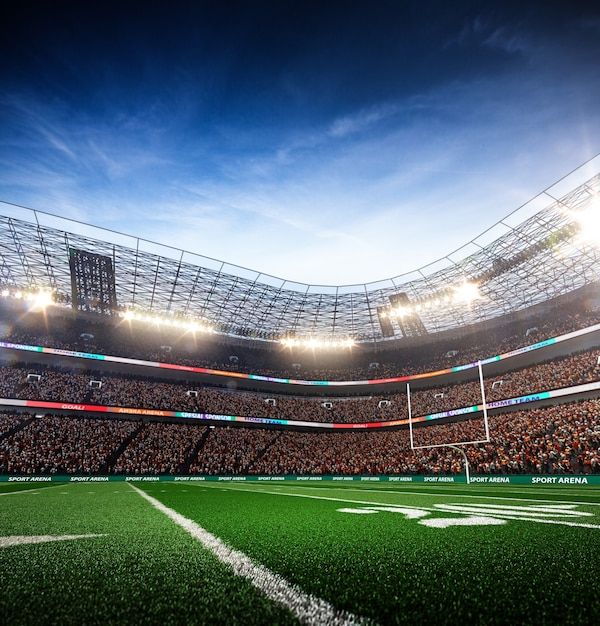
Stadium for Football
A FIFA-certified international football field’s precise dimensions are 105 meters long by 68 meters wide. Field markers like as the penalty spot and centre circle must adhere to strict guidelines and have a maximum width of 12 cm. Choosing between artificial turf and natural grass is one of the most crucial choices when building a football pitch. Even though natural grass has a more traditional feel, artificial turf is more resilient and requires less maintenance. Synthetic surface installation is overseen by experts in artificial turf construction. No matter the surface, proper drainage is necessary to prevent waterlogging. Modern stadiums use hybrid grass, which combines natural turf with synthetic fibres for added durability. Additional Facilities (Unstated Context). Although not mentioned specifically in the original text, building multi-sport complexes sometimes entails hiring specialised contractors, such as builders of basketball courts and track installation specialists for nearby sports facilities.
Seating and Accessibility for Observers
When constructing chairs, comfort and safety must be taken into account. This includes having enough seats and clear escape routes with a minimum width per passenger. Big stadiums (those with a capacity of more than 20,000) must have first-aid rooms. Accessibility, which includes ramps, elevators, wheelchair-accessible walkways, and seating areas for people with disabilities, is a crucial component. Seating materials need to be durable and sturdy in order to withstand harsh weather conditions and frequent use. In order to support grandstands, roofs, and other massive components, stadiums frequently use a lot of steel construction work.
Lighting and Technology
The lighting system is one crucial piece of technology. High-mast LED floodlights are the preferred choice for outdoor stadiums because they provide consistent illumination with minimal glare for athletes and spectators. Indoor buildings and academies need lighting that is both constant and energy-efficient. Public address systems, security cameras, and advanced IT network infrastructure must be built since modern stadiums are increasingly relying on technology for security, broadcasting, and fan involvement.